Hacks from My Happy Place – XXVI

I spent a lot of time over the winter searching the Internet for new recipes to try. It’s not been an easy task, because there are some mole hills (and a few mountains!) in my way. With the inflation rate that’s occurred in the past months, I’m not willing to buy a specific spice or product I don’t use just in order to make a recipe that sounds interesting. Plus, my bestie is lactose intolerant, so anything with cheese or dairy isn’t something I can share with her. Her hubby has a gluten free and low sodium diet, so anything with either of those ingredients aren’t something he should have. And her adult son, while I wouldn’t call him a picky eater, has specific foods he likes and wants and is often unwilling to try something new. Fortunately, I discovered that my neighbor next door loves to bake but simply does not cook, so I’ve been using her as a guinea pig for some things I am trying for the first time.

I’ve closed the “test kitchen” for new recipes for the time being, unless I find something that is season appropriate for spring and summer. I haven’t been able to add a bunch of new recipes to my repertoire because of the reasons cited. While the few I did try didn’t result in any failures, there were also a few that became ‘one and done’ recipes simply because the finished product wasn’t something I could see myself enjoying on a regular basis.

Well, that’s not 100% accurate. I did experience a failure, two failures if you count the fact that I tried to make the same thing twice using two different recipes and both failed. I attempted, with two different recipes, to make suet for the suet feeders in the yard of Mr. and Mrs. Elderly next door. The birds always seem to migrate first to the suet if there is some. However, neither of the recipes would stay into a solid enough block, tending to become a bit sticky as soon as they were room temperature. So, I guess I’ll have to grab a tuppence and go find the bird lady out in Mary Poppins’ land. By the way, just for trivia’s sake, a tuppence is also known as twopence or, in American money, two pennies. (You’re welcome!)

On the other hand, I found a recipe that I liked so much that, once I tweaked it a little bit, I’ve made again already (and ate it for dinner four days in a row!)! I’m going to give you my tweaked version since I consider it to be better.

Potato and Corn Chowder

Ingredients:
8 ounces bacon, fried and chopped or crumbled
3 cups chicken stock
2 cans (14.5 oz.) creamed corn
1 can of white or yellow corn, drained
2-3 lbs. waxy yellow (or white) potatoes, cut into about 1 inch pieces
1 bunch chopped green onions or 1 tablespoon dried chives
Pepper to taste

Instructions:
In a large pot over medium heat, cook the bacon until crispy, about 8 minutes. Using a slotted spoon or tongs, remove the bacon and drain on a paper towel. Discard all but 3 tablespoons of the bacon fat from the pot.

Add the chicken stock, creamed corn, drained canned corn, potatoes and green onions/chives to the pot. Bring to a simmer over high heat. Then reduce the heat to medium low and continue to simmer until the potatoes are tender but not mushy, about 15 minutes. Add crumbled bacon.

Continue to simmer on low until broth reaches your desired consistency.

(The recipe suggested the option of topping with sour cream and/or shredded cheese, but I like it just plain.)

And then, in a social media group I belong to, someone provided a recipe for a candy that I remember around the winter holidays in my childhood. I knew I’d likely only make it once and give most of it away, since every ingredient (except the butter) was pretty much pure sugar. I simply wanted to see if the recipe was as easy as it sounded.

Nougat Candies

Ingredients:
2 tablespoons of butter
2 bags of mini marshmallows
2-1/2 cups of white chocolate chips
2 teaspoons of vanilla
2 cups (approx. 19-20 ounces) of Dots candies (or gumdrops) cut in half

Instructions:
Begin melting white chocolate chips in a double boiler (or in the microwave in 30-second increments). When melted about 2/3rds of the way, add butter and marshmallows. Continue melting and stirring until everything is combined and creamy. Remove from heat source. Add vanilla and stir. Add in candies and stir to mix thoroughly. (Mixture will be quite thick.)

Spoon mixture into a parchment paper lined 9×13 pan. Smooth out as much as possible.

Chill in refrigerator over night. Remove from refrigerator, pull parchment paper and candy out of the pan, and place on cutting surface. Cut into bite-sized pieces with sharp knife. (If mixture gets too soft to cut sharply, return to fridge for 15-20 minutes to let it harden up again.)

Wrap each piece of candy into cut squares of waxed paper or candy papers to keep them from sticking together. Candies can be stored in the freezer.

Makes about 100 1×1-1/2 inch candies.
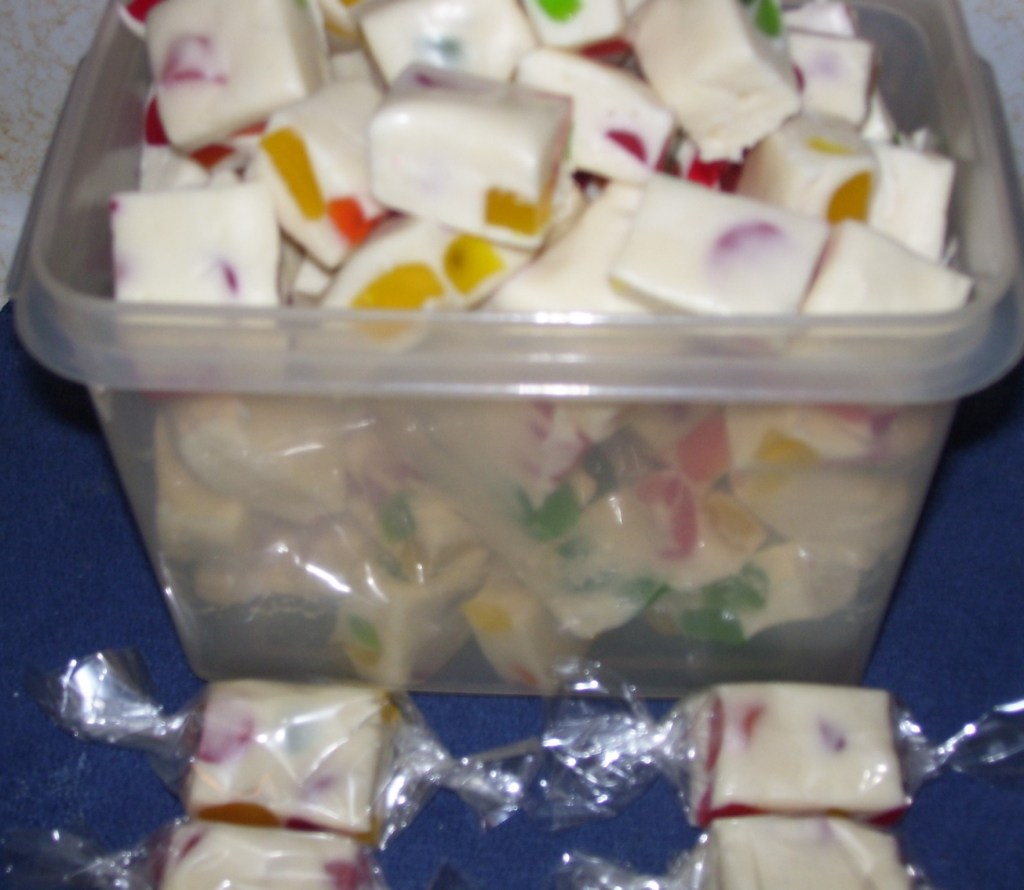
I was impressed how well these turned out!

Now, this next recipe I’m going to share is one I’ll never make again, since it makes 5 quarts and must be kept frozen. I honestly thought I didn’t have the recipe anymore, since it’s been at least 20 years since I’ve had it. But when I saw the recipe card with the name of it at the top, I could feel myself genuinely smile, because it brought back some very good memories. This recipe was made by my mom (and I have no idea where she got it) but it was something she made for weekends at Moyer’s Mountain Retreat (they had a permanent camp site there) and it was a delight when it was really hot and sticky in the summer. It also went down really easily, and we learned to leave some time between servings to avoid a reaction to its ingredients.

Slush

Ingredients
2 tea bags steeped in 2 cups of boiling water
12 ounce can of frozen lemonade, thawed
12 ounce can of frozen orange juice, thawed
7 cups of water
3 cups of any brand of whiskey (almost a fifth so go ahead and add the whole bottle!)

Instructions:
Let tea bags steep in boiled water while mixing all of the other ingredients in a 5-quart plastic container (that has a lid). After 5 minutes of steeping, add steeped tea to mixture, stir again. Place lid on top and put in the freezer for 24 hours. To serve, spoon mixture into drinking vessel and, if desired, add a splash of any kind of lemon/lime soda.

Because of the alcohol, the mixture will not totally freeze, but make a ‘slush’ which is easy to spoon into your drinking vessel. Serve with a straw or a spoon so every drop can be enjoyed. And drink slowly! Not only is there a potential for a brain freeze, but the alcohol is tasteless in the mix and can put the drinker on his/her butt if imbibed too quickly! (And yes, I know this from first-hand experience!)

And I want to share with you what I had to research and learned as a result. Unless they are not available, I buy medium size eggs. I seldom cook breakfast (an occasional ‘breakfast for dinner’) and most of the recipes I make don’t include eggs, so I always end up having to hard-boil some eggs from the dozen before their expiration date. Well, recently, I had a recipe that called for one large egg. It was to bake something and I wasn’t sure how to make it work since I only had medium eggs. So here is what I learned:

  • one large egg = any other sized egg will work
  • two large eggs = three small, two medium, two extra-large, or two jumbo eggs
  • three large eggs = four small, three medium, three extra-large, or two jumbo eggs
  • four large eggs = five small, five medium, four extra-large, or three jumbo eggs
  • five large eggs = seven small, six medium, five extra-large, or five jumbo eggs

What is interesting to me is that egg “size” is not determined by visual appearance of the egg but by the total weight of a dozen eggs. Think about that for a moment. In a package of a dozen eggs, the given size is determined by the weight of all 12 eggs equaling a certain total. Here’s how that breaks down:

  • Jumbo: 30 oz. (about 2.5 oz. per egg)
  • Extra-large: 27 oz. (about 2.25 oz. per egg)
  • Large: 24 oz. (about 2 oz. per egg)
  • Medium: 21 oz. (about 1.75 oz. per egg)
  • Small: 18 oz. (about 1.5 oz. per egg)

So, if you really want to ensure that you’re using the correct amount of egg for a finicky recipe, like a custard, the only way to do so is to get a scale so that you can weigh each egg. For example, if the recipe calls for 3 large eggs, you need to weigh your eggs to equal 6 ounces. (I wonder how often one can get exactly 6 oz. worth of eggs?)

I don’t know what effect all of that has on the eggs, but it sure scrambles my brain!!! And at the current price of eggs, none of us wants to waste a single drop of them!

My final few sentences relate to French fries and salt. I recently saw a video from a man who claimed to have been a manager of a McDonald’s franchise for 23 years (Yes, I think that’s incredible, too!). Now that he has retired, he makes an occasional short video about tips and tricks he learned from the franchise over the years. McDonald’s, whom most of us will agree have the best French fries of the fast-food establishment, uses popcorn salt to season the fries when they are dumped into the hold basket fresh from the fryer! Popcorn salt is much more finely ground and sticks better than regular table salt. Who knew? Now I’m sure there are places that sell popcorn salt (my store didn’t have it with the spices or with the popcorn items) but popcorn salt is regular salt simply ground into an almost dust consistency and can be created using a food processor if you have one. And now you know!
Is Negativity Genetic?

I know the title is an odd question, and I’m 99.9999% sure that it is not. But there is a reason I ask that question.

Recently, I wrote a post called “Gratitude” based on the words shared by another blogger. Every now and then, I think about Marla’s concept, and still recognize it as being 100% true. Ask me what went wrong today (or any given day) and I don’t have to think long and hard before giving a list of things. Ask me what went right today (again, or any given day) and I need a moment to consciously look back to see if I can remember anything outstanding in that day that was awesome or filled me with joy, happiness, peace and/or contentment. Why is that?

There is some reason that many (most?) of us are more easily in touch with negative emotions than positive ones. I can easily look backwards to my parents and to my parents’ parents and not remember a time when there was an expression of true spontaneous joy, happiness, peace and/or contentment. Which is not to say that there weren’t momentary expressions of happiness – a good joke always deserved a good laugh, a much-desired wish list present at Christmas brought momentary joy, happiness and appreciation. But those are random moments, spontaneous and short-lasting. Think about it. That joke you laughed so hard at is likely one whose punchline you won’t recall tomorrow.

‘Experts’ call it negativity bias and define it as the psychological phenomenon by which humans pay more attention to and give more weight to negative rather than positive experiences or other kinds of information. Those same experts state that this negativity bias comes from our environment, handed down from the time when man and animal roamed the same land and lived in the same caves, making it necessary for humans to always be alert to potential threats around them. To me, it simply seems to imply that negativity is within our comfort zone and positivity requires us to move out of our comfort zone. But at least that theory might explain why we’re so comfortable in that negativity zone.

In my reading and researching about this pattern, this is some of the information I was given: Research suggests that this negativity bias starts to emerge in infancy. Very young infants tend to pay greater attention to positive facial expression and tone of voice, but this begins to shift as they near one year of age. Brain studies indicate that around this time, babies begin to experience greater brain responses to negative stimuli. This suggests that the brain’s negative bias emerges during the latter half of a child’s first year of life. There is some evidence that the bias may actually start even earlier in development.

Researchers also believe that we are all equipped with something called a negativity bias. The negativity bias is our tendency not only to register negative stimuli more readily but also to dwell on these events. Also known as positive-negative asymmetry, this negativity bias means that we feel the sting of a rebuke more powerfully than we feel the joy of praise. Therefore, as humans, we tend to remember traumatic experiences better than positive ones, recall insults better than praise, react more strongly to negative stimuli, think about negative things more frequently than positive ones. Using myself as an example, I can admit to being exactly that person.

But there is another phenomenon that I think might be in play here. When something is traumatic to us and we share it with a loved one, while we may not get the nurturing we really want, we at least get some sense of sympathy from the person we are sharing with. But sometimes, when we share something of a positive nature, those same loved ones may tend to play it down to not really being anything to be joyous about. I’ve had occasion where I’ve wanted to do something nice to help someone out and was told, “Don’t bother, it won’t be appreciated.” In another instance, I was sharing something that was said to me that brought me a sense of happiness and was told, “Are you sure he/she meant it that way?” In both of those situations, the joy I was – or could be – feeling was negated by someone I trusted to have my well-being at heart. And while I could look upon those situations and realize that neither time were those comments made to hurt me, nonetheless they took the wind out of my sails.

Some scientists believe that, while perhaps not genetic, our brains are an integral part of how we process negative and positive stimuli. Studies that involve measuring event-related brain potentials (ERPs), which show the brain’s response to specific sensory, cognitive, or motor stimuli, have shown that negative stimuli elicit a larger brain response than positive ones. Because negative information causes a surge in activity in a critical information processing area of the brain, our behaviors and attitudes tend to be shaped more powerfully by bad news, experiences, and information.

Then, of course, the psychologists step in and suggest that the same brain that concentrates more on negative stimuli can also be retrained to change our thinking and fight against the tendency towards negative thinking. I can’t argue that point, but here is my general thought on it. We all know in our hearts that, if we want to change something about ourselves enough, we will put the energy into retraining our brains. Ask my best friend, who dropped over 100 pounds (slowly) and is keeping it off, not with any help from well-known diet systems, but through self-discipline and wanting to be thin more than she wanted that piece of bread that came with her meal.

We talk some about so many of the kids today having a strong sense of entitlement and we discredit the parents who give their kids what they ask for, who feel it’s more important for their kids to “like them” than to practice discipline as needed and appropriate punishment if required. But don’t we all have a sense of entitlement, if only realizing that we want the things we want to have to be easy to get, to not require time, energy, sweat, hard work and commitment in order to achieve the end results we seek. Do we, consciously or subconsciously, choose to live in the negativity simply because it requires so much from us to move forward to positivity?

I believe that is true for me. I focused on personal growth as a priority from my mid-40s to my late 50s. I was reading countless ‘self-help’ books, attending at least one seminar a month that would offer me insights on where and how I needed to grow. I was surrounding myself 95% of the time with peers who possessed a trait or attitude that I wanted to gain, hoping I could watch and emulate.

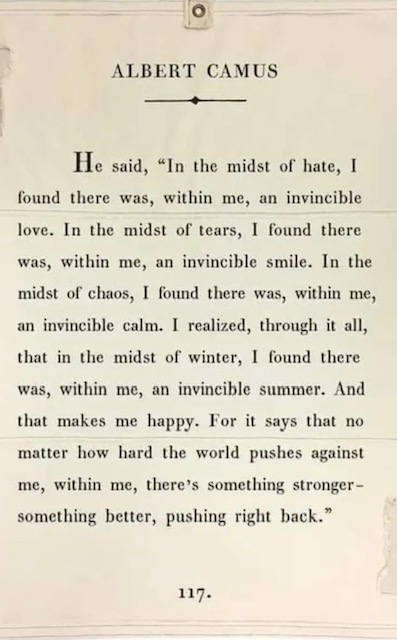
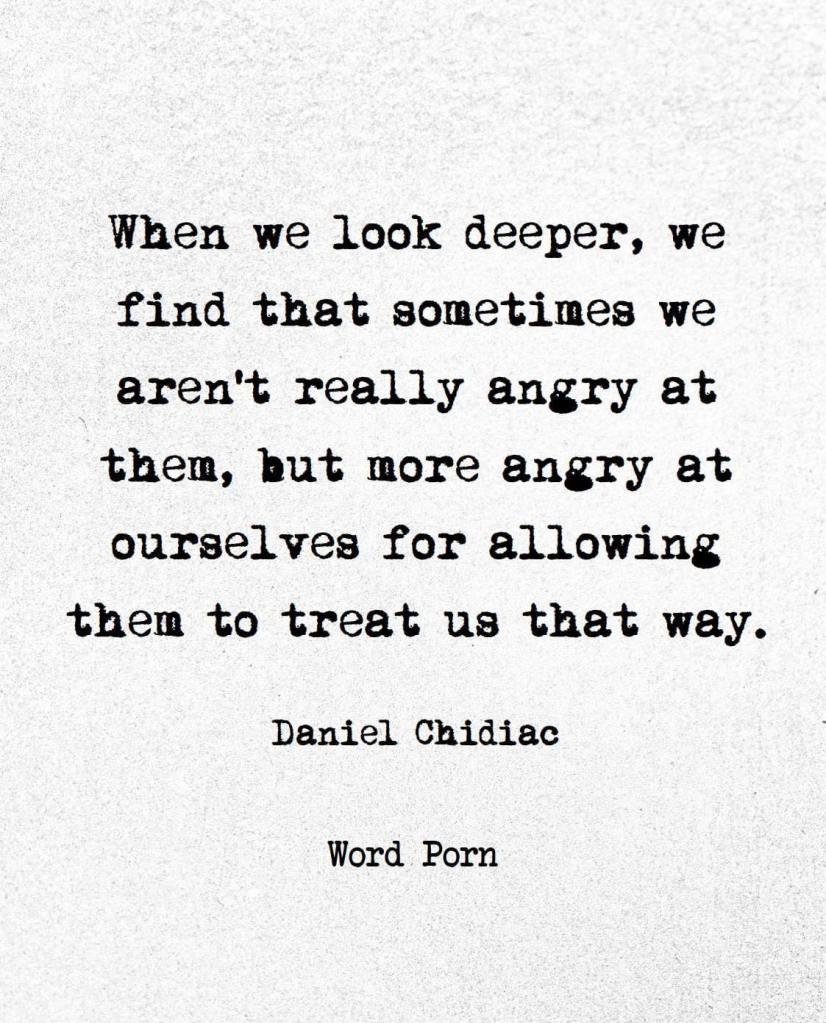
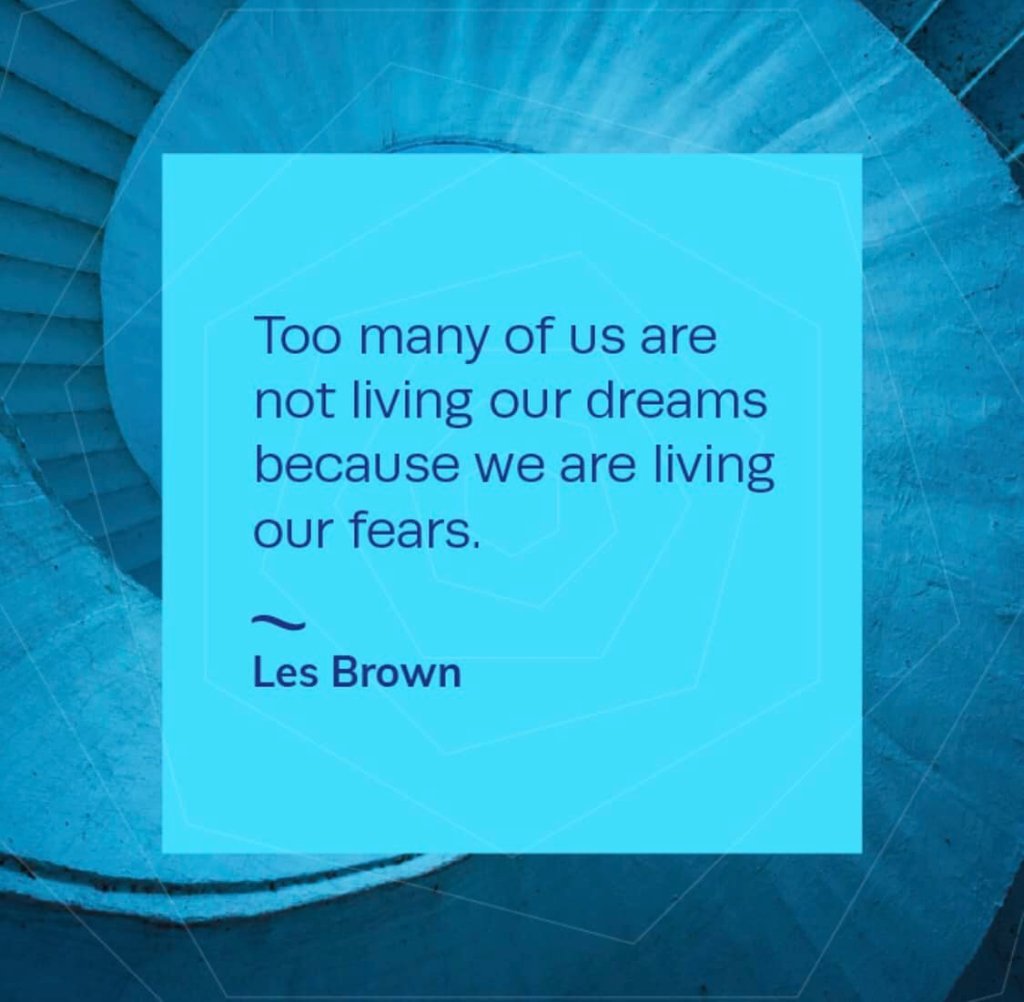
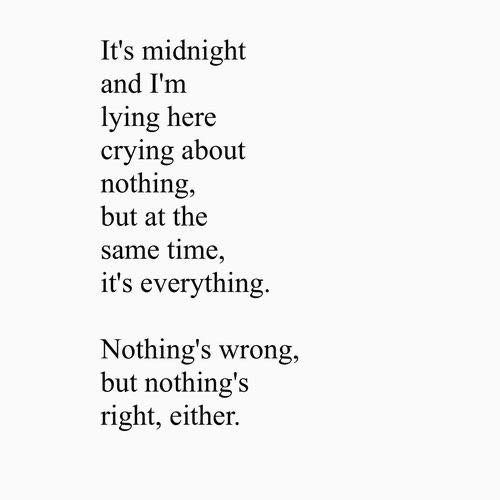
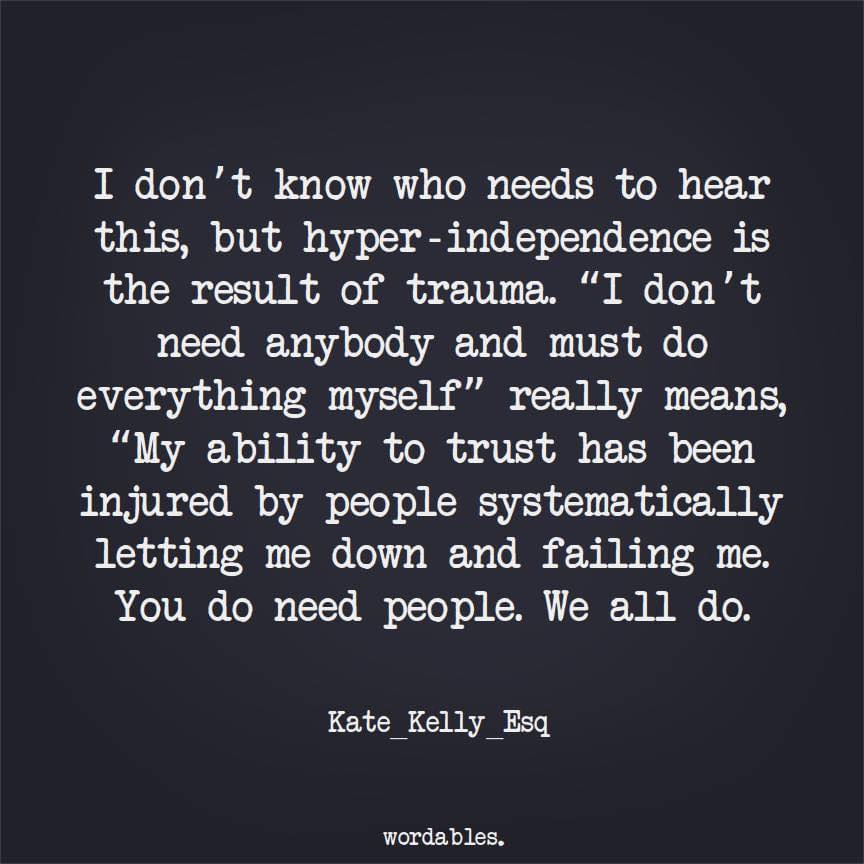
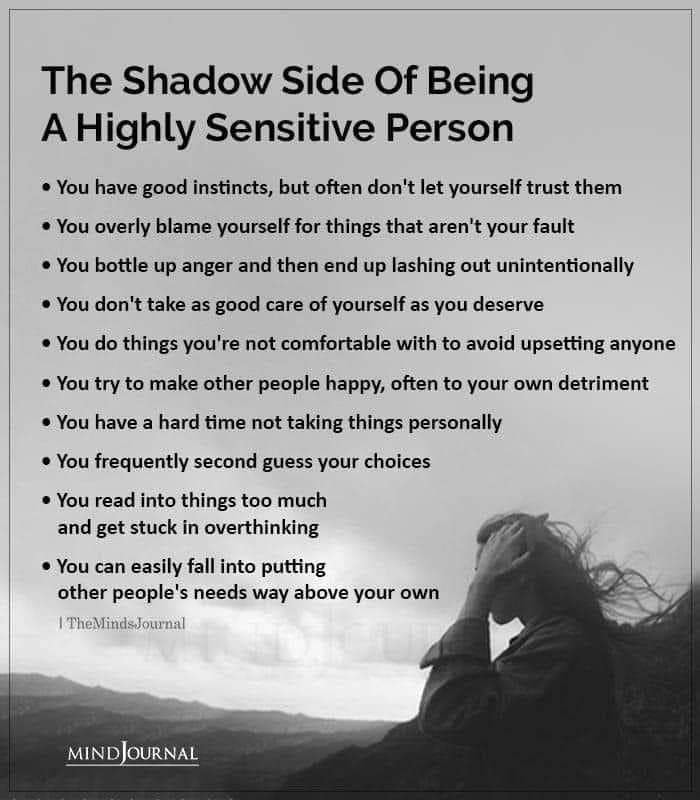
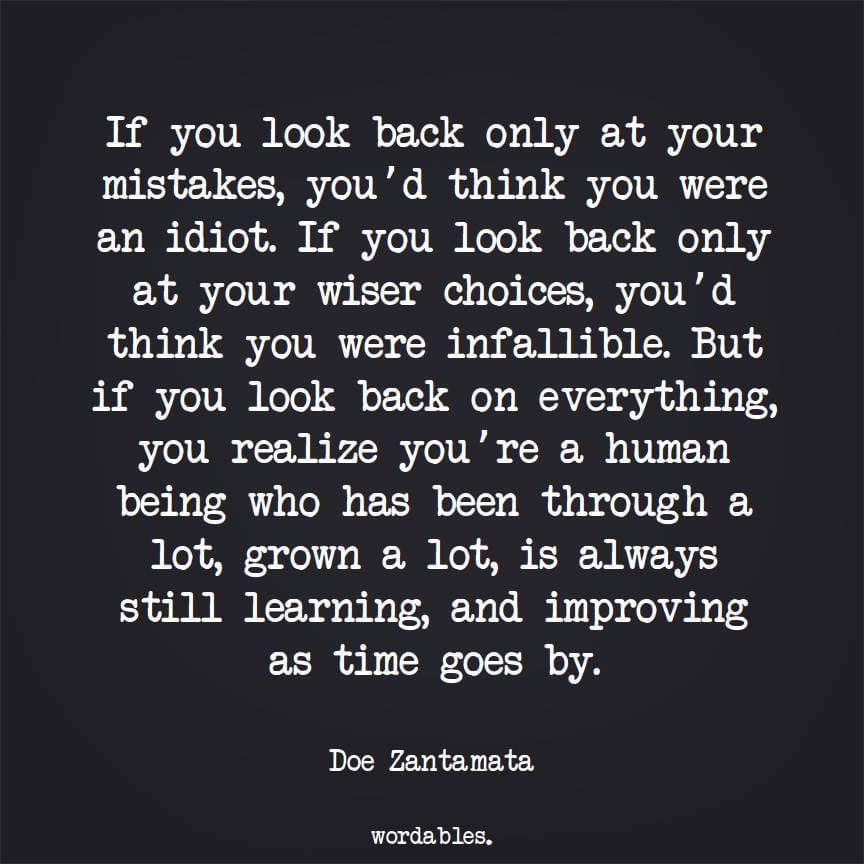
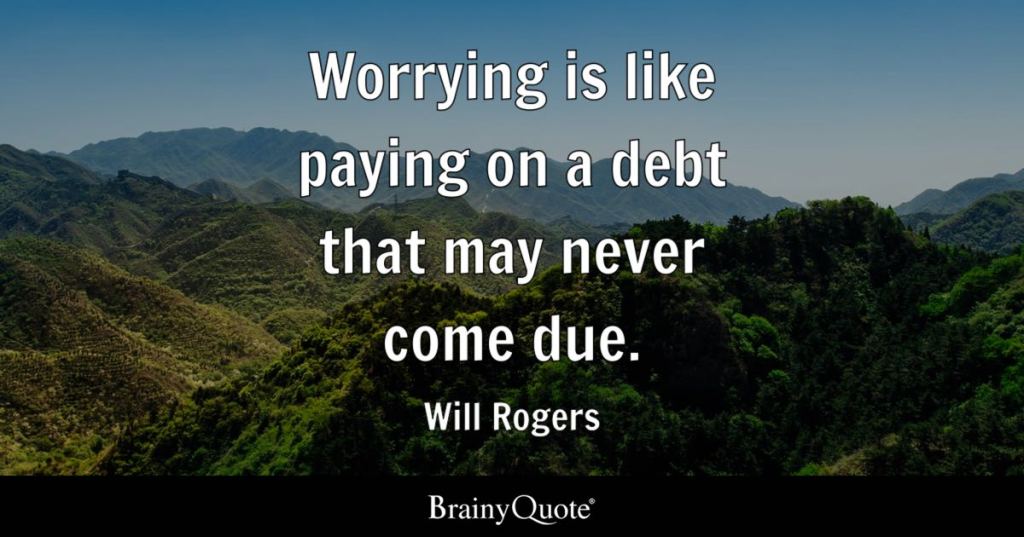
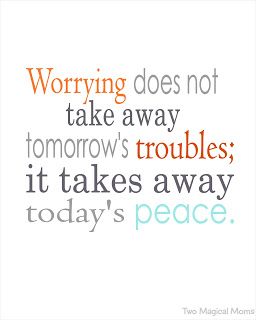
This whole subject is even more actively tickling my brain because two different bloggers have recently posted what I will choose to call “mantras” about how to be positive instead of negative. It seems like, without the threats that cave men faced, we should be able to train our brains in the same way in which they were trained to think negatively. Then again, we have threats in current times – perhaps not by large animals roaming the earth, but by humans threatening other humans. Anyhow, these are the two “mantras” I read recently:

I’ve made print copies of both of these and they are both attached to my refrigerator. I’ve been making myself stop to read each one of them at least once a day, though I suspect I’ll soon be able to look at them and be understanding of the concept without reading the words. I’m hoping this will be the start of changing my habit of thinking negatively (and it’s a strong one!) to thinking positively. Maybe it will work for you, too!

Random Memes – 04/29/23

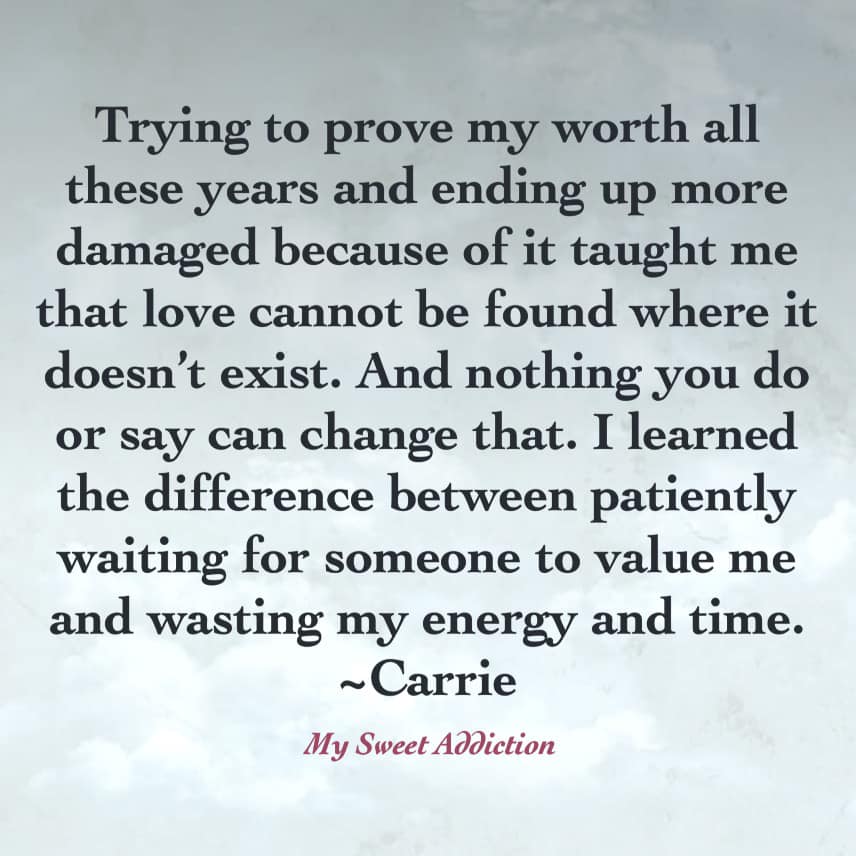
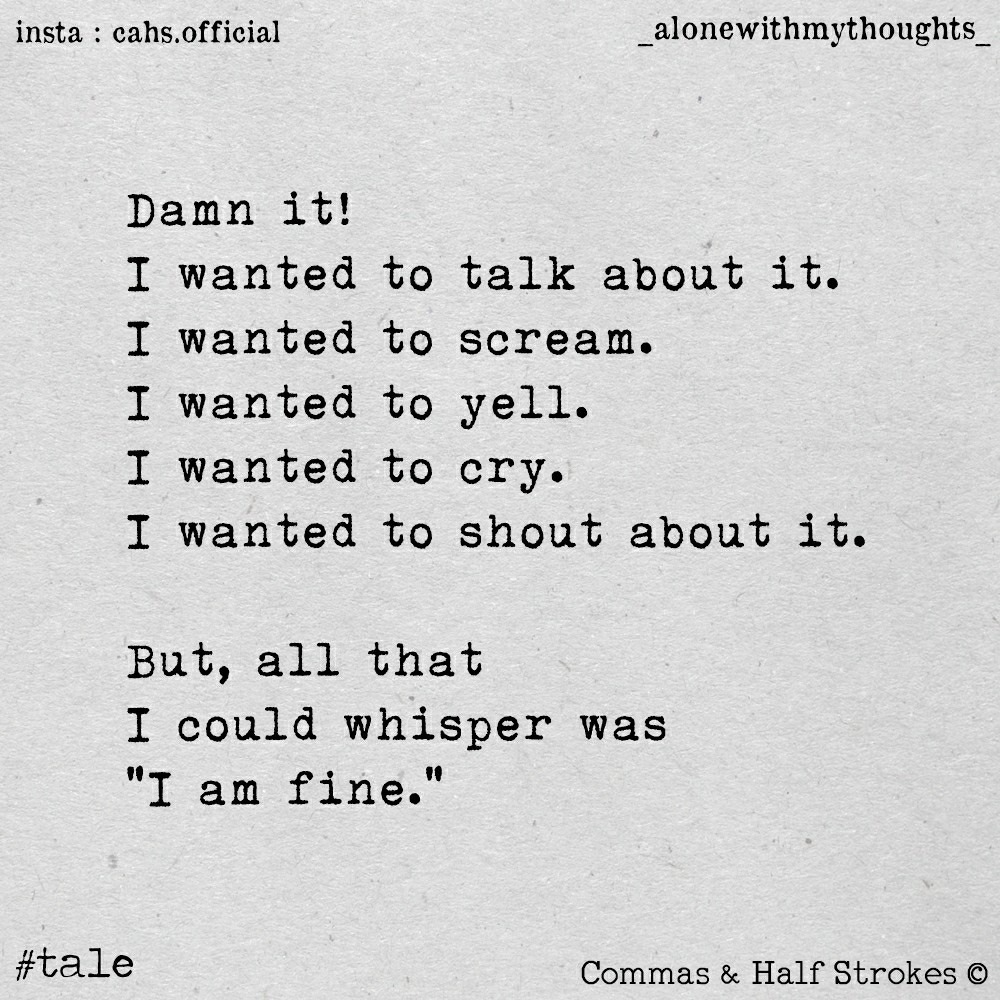
SPOILER ALERT: When I posted last to share memes, it was just the beginning of the new year, and I specifically chose all of the ones I’d saved that were full of positive vibes and words of wisdom, hoping to send bright thoughts out to celebrate getting through 2022. I didn’t realize when I did so what would remain were all of the memes that were sadder in nature. Even I felt a little tinge of sadness as I read through them again, and I wasn’t sad when I started putting this post together. If you’re feeling a little down right now, you might want to skip this post or save it for another time when you can better handle the emotions.

I don’t really want to end on a negative note, and when I saw this, it led me to a place with a little bit of light, so I wanted to include it here as my last meme:

Why Worry?

I was reading Brian’s blog post (a new blogger I just started following) in which he talked about being a worrier. We all are worriers, to some extent, because we’ve learned by now that life isn’t a happy little stroll down a path without having also had the experience of some bumps and potholes in the road on which we’re traveling.

When I was working in the office of a psychological practice, one of the therapists used to have a frame on the wall of her office where she changed out printed quotes inside it every 2 – 3 weeks. When I asked her about it, she told me that she realized that the quote wouldn’t affect all of her clients within that time frame, but there was a good chance it would be a light-bulb moment for one client and a better chance that someone would remember the quote and pass it on to someone who needed it.

When I commented on Brian’s post, I used one of her quotes that has stuck with me all of these years and which, indeed, I have passed on quite often. The quote is, “Worry is like a rocking chair. It gives you something to do but it doesn’t get you anywhere.”

Jane also shared with me a ‘game’ that she would play with clients who were not able to ever stop worrying, especially about small things (at least small in the grand scheme of things). She called her game “What’s the Worst That Can Happen”. She explained it to me with a (hypothetical?) example. A father is worried that his son, a senior in high school, the star player on the school’s football team and already offered a scholarship to two different colleges. The son had been having occasional muscle cramps in his right calf over the summer before senior year, and dad was worried that something would happen to permanently injure his son to the point of not being able to play and losing the two offers for scholarships. The father is asked, “If he loses those scholarships, what’s the worst that can happen?” and replies that his son will have to take out school loans in order to afford college. When the father is asked, “If he has to take out school loans, what is the worst that can happen?” and this goes on and on, taking each reply and countering it with “if that occurs, what’s the worst that can happen?” Finally, the father was asked, yet again, “what’s the worst that can happen?” and he stopped for a moment, thought about it, then said, “I guess that’s the worst.” For him, the worst was that his son would have student loans hanging over his head for a good number of years. Um, don’t we all know at least one person who has paid or is paying off student loans???? But in the hypothetical example, we can see how worrying to the extent that the father was worrying was almost obsessive.

Psychologists will tell you that worry is controllable, and using this form of thought replacement can certainly work to validate this belief. Worry is considered to create a milder form of distress than anxiety does. Worry tends to be more focused on thoughts in our heads, while anxiety is more visceral in that we feel it throughout our bodies, so with some good cognitive thinking skills, we should be able to keep the thoughts that make us worry under more control.

And yet, there are those psychologists that will suggest that some people are wired to worry intentionally, albeit on a subconscious level, that is to say that they worry on purpose? Why would anyone do that?

One thought that immediately comes to my mind has to do with ‘drama‘. There are people who thrive on living life that seems to be always in an uproar or filled with chaos. These are the people we know who have mastered the art of “making mountains out of mole hills”. I’m not educated enough to know why, but I suspect that these people use that constant unrest to fill a hole in their lives that is missing. For some, it may also be stirring the pot out of a need for attention, or to hide their insecurity behind.

What we all need to consciously recognize is that worry is about the future, the possibility of something happening that will change the future than how we see it happening. Whether we’re worrying about ourselves or another, when we worry, we express a fear inside us because we can’t control what may happen to be the outcome we desire. And, as I said before, it’s natural for us to worry and we all do it from time to time. But worry doesn’t have to become our focus to the point where we’re consumed by it and that it affects us in a deep level. I play the “What’s the Worst That Can Happen” inside my own head (yes, in essence, I talk to myself) whenever worry gets to be burdensome. Sure, the worst could be a disaster or even death, but we know we have no say in how and when death will occur for any of us. And it’s okay to feel fearful of losing a loved one, but we must remind ourselves that this thing called death is going to happen to all of us, whether we like it or not.

Don’t let your worry take over for your fear of what might happen. Remind yourself that you have no control over with might happen and if you are feeling fearful, either try to find the root of the fear and address it or ignore it and spend time being in the moment of the here and now, not in the yet unknown future.

God’s Not Dead

The movie God’s Not Dead was released in March of 2014 and based on Rice Broocks’ book God’s Not Dead: Evidence for God in an Age of Uncertainty. I remember hearing a little bit about the movie when it first came to the screen, enough to know that it was about a college student defending God’s existence against the professor of his philosophy class who claimed that God was dead.

The movie was free with my Amazon Prime membership, and now that I’d finally made my way through a whole bunch of ‘chick flick’ movies about the holidays, I thought it would be a good change of pace.

I have to be upfront and state that I seldom, if ever, watch a movie the entire way through in one sitting. I almost always take at least 2 days to get through a movie. Perhaps it is because I watch so little TV that it feels uncomfortable to sit that still for that length of time. Perhaps it is because, while the movie might be good, it’s often predictable or simply a way to pass time when I need a break from reading.

I began the movie at around 2 PM. I finished watching the movie before 7:30 PM on the same day. You may be thinking, “Well, it took you more than 5 hours to watch a movie that wasn’t even close to being that lengthy.” And I won’t disagree with you on that. However, in my defense, having a weak bladder while simultaneously having the need to be sipping on some liquid means using the pause button frequently. I was also watching it during a time when I found myself feeling hungry, so there was a longer pause while I moved into the kitchen and stared inside the fridge, the freezer and the cupboard while deciding what I was hungry for. The reason that time frame is significant as it applies to me is that other than pauses in which I moved out of my recliner for any reason, I returned to it and immediately pushed the button to continue playing.

I wish I could write here about the entire plot of the story, but I don’t want to spoil it for anyone who hasn’t seen it and decides they’d like to based on this post. In other words, the movie impacted me in a much greater way than merely an escape to focus on for 1 hour and 53 minutes. What I will share is that I think the dialogue was brilliantly written, the cinematography was excellent and certainly, Kevin Sorbo is still as easy on the eyes as I’ve always thought him to be (Dean Cain was a supporting actor and he’s still easy on the eyes as well!)!

I have not deleted the film from my list of films to watch, as I usually do at the end of (and occasionally, before the end of) a movie. I was truly drawn into the story and realized after the fact that I paid more attention to the acting when the student and the professor were debating the existence of God than the actual things they said to support their arguments. I really want to go back and listen to those parts with an open mind and from an intellectual standpoint.

I had one issue, not huge but for me not small either. I was taught in my own church what made someone an atheist and I just looked up the definition of the word. The dictionary defines an atheist as “a person who disbelieves or lacks belief in the existence of God or gods”. That’s akin to what I was taught. Because of that, I feel like I was misled by the title of the book and the movie. The gist of the debate is whether or not God is alive or dead, but in order to be dead, he would have to have been alive. Therefore, the discussion and differences in the movie (and this issue does come to light near the end) all point to God having had an existence, whether current or past. That’s far different than a discussion about whether or not God never existed. I had to do some research about this difference, and I found an answer that satisfies me.

Friedrich Wilhelm Nietzsche is the person credited with making the statement, “God is dead” well known. It is said that the statement was often misunderstood, considered to mean that God as a being was dead. His intent, however, is believed to be that he was simply stating that the idea of the existence of God was no longer alive. What he meant was that the concept of God had died a death due to the process of secularization.

Interesting. Either way, it’s wrong, but interesting…

(Photo is just a little bonus in case anyone else wants to go, “hubba, hubba!”)

How to Identify & Overcome Imposter Syndrome

I spent much of my life living this way, and it’s been so amazing to take off the mask and be me, disregarding what others think!

Dr. Eric Perry's avatarDr. Eric Perry’s Blog

Written by Dr. Eric Perry
Image Credit: Pixabay


“I have written 11 books but each time I think ‘Uh-oh, they’re going to find out now. I’ve run a game on everybody, and they’re going to find me out.’” ~Maya Angelou

At one time or another in life, we all have felt that perhaps we were not worthy of the life we have or the praise and recognition we receive from others. You wake up feeling that the shoes you walk in are too big or the suit you wear daily is too large and hangs on you like a child encased in a three-piece suit. You feel you are an imposter in your own life, an unpaid supporting actor playing the part of a successful adult. Research shows that these feeling are quite prevalent among highly successful individuals and has affected at one point or another up to 70 percent of the population. This…

View original post 1,440 more words

Gratitude (with thanks to Marla)

I follow a blog written by a female named Marla (marladragon.wordpress.com), and there have been times when her posts have resonated so loudly of familiarity inside my brain that I feel compelled to leave a (what always turns out to be lengthy) comment. Recently, she shared a post about being grateful, and what really hit home for me was the part where she reminds us that we spend seconds in being grateful and then hours finding things to grumble about.

Here is the part that really stood out to me:

“I think humans have a hard time holding on to gratitude. When you have something (or someone) to be grateful for, you spend about 15 seconds being grateful, then the next 9,000 hours stressing over stuff you can’t control.”

“No,” you say, “that’s not me. Maybe someone else, but certainly not me.”

Fair enough. But then again…

You are excited, thrilled, over the moon. Your boss has finally seen your level of output and that you go above and beyond every day. He gave you a raise! You can’t even imagine how you could possibly thank him for recognizing you out of the bunch. You want to take him out to lunch as a thank you. Before you even finish your happy dance, your brain is now ripping through all of your bills to see where this “extra” money is going go. Is it to that vacation you’ve been dreaming of? Those nice shoes? No. Taxes, electricity, car bill. Suddenly, the air has been let out of the balloon, and you deflate. 15 seconds high, 9,000 hours staring at spreadsheets.

You are minding your own business doing the dishes when someone comes up behind you. They whisper, “I love you,” in your ear. You feel a flush of happy-warmth flood you. You are so lucky to have found someone as wonderful as them. You don’t deserve someone like them. They make you a better person. As you gaze lovingly at them as they walk away, your eyes falls on the overflowing trashcan, the right corner of the trash bag has been pulled into the can and is currently below a pile of coffee grounds. The banana peel on top is threatening to topple to the ground. You know you told that good for nothing kid to take it out hours ago. Anger floods you all over again because the argument about the messy room comes back, full force. 15 seconds flushed with love and gratitude, now, you have the next 9,000 hours to contemplate how spoiled your kid is getting.”

My very first feeling was a profound sense of, “Ut oh, I’ve been caught.” And I suspect anyone who has read those paragraphs is feeling like he or she has been called out as well. I’m embarrassed to realize how true I live those reactions. In fairness, my gratitude for things usually lasts for more than 15 seconds (an unexpected compliment can make me smile all day as I rehear it in my brain), but soon enough, there will be, minimally, a return to the “meh” feeling and sometimes even more negative than simply “meh”.

This is a subconscious shift for all of us, not a plan to shift so quickly away from feeling grateful. But why? And what can we do to make ourselves more open to feeling gratitude for longer periods and more often?

Sure, the easy answer to that is to write a list of things we are grateful for. And that’s easy to do if we include the roof over our heads, food on our table, etc., etc., etc. But that’s not something that’s likely to be the solution to keep gratitude in the forefront of our minds (most of us have probably thought about doing this at least once.) Maybe we could keep a gratitude journal and select a specific number of things we will name as grateful for each day. We’ll probably start out with good intentions, but I suspect that we won’t last an entire 30 days before we become bored or it becomes too difficult to think of something new for which to state we are grateful.

As I was writing this and thinking about it, I wondered what would happen if we shifted our focus from tangible things (home, food, etc.) and focused on the actions daily that we did or didn’t take for which we are grateful? Honestly, I don’t know if I could find something in that theme for which to be thankful, largely because I have many days during which I have no interaction with humanity outside of this screen. Nonetheless, there are days when I do have that kind of interaction, and with a little bit of mindfulness, I can find something for which to be grateful. And, to be honest, there have been times that I should stop for a moment and be grateful for times when I didn’t act on a specific thought or emotion. When I think about it, there are often times where someone or something (usually someone) pushes my buttons, and while I may feel the bubbles of anger well up inside me, I am able to control myself from spewing out whatever my reaction is. I mean, when I hold a door open for someone or let someone out in front of me in traffic, I’d like an acknowledgement of some kind and am disappointed when none is forthcoming.

And what if we take it a step further? What if we make, when possible, the effort to share with the other about being grateful and why? (I actually do that at times from an unconscious level.) Now, I’m not sure I want to speak openly to the person who just pushed a button and thank them for allowing me to be grateful for not reacting in a moment of anger (can you imagine the many different repercussions of doing so?), but I should be sharing my gratitude for the times people make me grateful in positive moments. And as I said, I do that often, but not as a conscious thought.

Or, because our lives are always so busy (or so we tell ourselves to keep from adding on additional duties and tasks), maybe setting aside a day a month where, for a certain number of hours, we will sit still quietly and focus on the things we have found over the last month for which we probably didn’t think about being grateful for but which perhaps we should have been grateful for.

If you’re the kind of person who enjoys a morning cup of coffee or tea, those moments where we sit quietly and enjoy those beverages could become our “grateful” moments. Or perhaps, whenever we are stuck in line at a drive-thru, we’ll use that time to focus on what we have for which to be grateful.

And we truly need to ‘think outside the box’ about those things for which we are grateful. I suspect we’ll all be a little bit surprised that we have many people in our lives for whom we are grateful. For example, I have a routine 3-month follow-up appointment with my doctor this week. I am actually looking forward to it because it took me 5 years to find a doctor whom I felt actually listened to me and didn’t treat me by rote for ongoing issues (like my diabetes). Her finger remains on the pulse of my known medical issues, but she also makes time to question what other issues I might be facing and, if she can’t think of something for me to try right away, she makes a note for herself to do some further research before my next visit. I am extremely grateful for that level of care, and more often than not, I end up saying “thank you” when our visit is over. Just announcing my gratitude makes it more conscious to me that I feel it.

Maybe you are someone who is always announcing your gratitude and always aware of the feeling of it. (Most of us are not.) I know that I’m going to become even more aware of things for which I am grateful and, whenever possible, spread my gratitude on to others. I’m hoping that this might even change my focus so that the things that ‘push my buttons’ become less noticeable because I’m too busy focusing on the good!

It doesn’t hurt to try!

It Just Makes Sense

Marlapaige's avatarMarla's World

Another school shooting.

This time, mixed in with the “thoughts and prayers” was this gem: “There is a clear desire in all of us, whether we agree on the action steps or not, that we must work to find ways to protect against evil.”

One school shooter out of the last 376 school shootings has been trans. The obvious way to protect against this evil is to… block trans people from getting appropriate medical care or access to therapy, because… wait, why exactly???

Also, trans is kinda like drag, right? So we should clearly make being in drag a crime! That will stop school shootings! Right?

Oh, and illegal immigrants caused people to be trans, probably. I think so anyway. Might of read it on Twitter. Anyway, tighten the cages on those little illegal babies! American children’s lives are at stake!

Wait, what are you doing?!? Don’t give…

View original post 260 more words

Hacks from my Happy Place – XXV

I know that it’s been a long while since I’ve shared anything under this theme. It is not for laziness, because I spend at least 30 minutes most days (for at least two months so far) looking for recipes. However, some of those I share these meals with have dietary restrictions – lactose intolerance, gluten-free and/or low sodium – and I’ve not been able to find too many recipes that I’d like to try that don’t include at least one of the restricted items. If a recipe meets those requirements, then I also have to see what ingredients it calls for that I don’t have and decide whether I want to invest in an ingredient for one recipe that I may not like. Added to that, I have to make them first and sample them to make sure they are worthy of my readers! So here are a few recipes I think are worth trying:

Zippy but Sweet Asian Sauce

Ingredients:
1 tablespoon canola (or similar) oil
1 garlic clove, minced (or 1 teaspoon minced garlic)
1/2 cup beef broth
2 tablespoons brown sugar
1 tablespoon soy sauce
1/4 teaspoon crushed red pepper flakes (optional)

2 tablespoons cornstarch
2 tablespoons water

Instructions:
In a large skillet, heat oil over medium-high heat. When hot, add garlic to the pan, stirring while cooking for 1 minute. Stir in broth, brown sugar, soy sauce and red pepper flakes. Reduce heat to medium low and let cook for another 3 minutes, stirring occasionally. Meanwhile, mix together cornstarch and water until smooth (called a slurry). Slowly add small amounts of this mixture into the broth until desired consistency is achieved (it thickens quickly so it’s important to add this mixture slowly; you may not need it all!). Serve with cooked chicken or pork chops with a side of rice drizzled with sauce. Also consider it as the sauce to make for stir-fry meals such as beef and broccoli or chicken and snow peas. I also think it would make a nice glaze on a meatloaf for a change of pace!

Cheddar Cheese Quick Bread

Ingredients:
2 cups all-purpose flour
4 teaspoon baking powder
1 tablespoon sugar
1 1/2 teaspoon garlic powder
1/2 teaspoon salt
1 1/2 cups shredded cheddar cheese
1 cup milk
1 large egg
2 tablespoon butter

Instructions:
Preheat oven to 350° Grease/spray a loaf pan.
In a large mixing bowl, whisk together flour, baking powder, sugar, garlic powder and salt. Stir in shredded cheese. Set aside.
In a separate bowl, whisk together milk, egg & butter.
Add liquid ingredients to bowl of dry ingredients. Stir until just combined. Do not over-mix.
Spoon/pour into loaf pan.
Bake for 45-50 minutes. Top should be a golden brown.
Cool on wire rack. Remove loaf from pan, slice & serve.

As Good as Takeout Fried Rice

Ingredients
3 cups cooked white rice (day old or leftover rice works best!)
3 tablespoon sesame oil (use olive oil and add toasted sesame seeds as an alternative)
1 cup frozen peas and carrots (thawed)
1 small onion, chopped
2 teaspoon minced garlic
2 eggs, slightly beaten
1/4 cup soy sauce
Diced or shredded cooked chicken or pork (optional but highly recommended)

Instructions:
On medium high heat, heat the oil in a large skillet or wok. Add the peas/carrots mix, onion and garlic. Stir fry until tender. Lower the heat to medium low and push the mixture off to one side, then pour your eggs on the other side of skillet and stir fry until scrambled. Now add the rice and soy sauce and blend all together well. Add optional meat. Stir fry until thoroughly heated.

I have a few other recipes which I still have to try before sharing them, but I can recommend these tried recipes if you so choose to give them a chance! Mangiare and bon Appetit!

Theodore Edward

I have known Theodore Edward for over 50 years. He has been a constant in my life, even when I was too ‘busy’ to pay him any attention. He’s worn his fair share of my tears on his shoulder. He’s truly been the only one in my life who knew exactly what I was thinking/feeling without me ever having to say a word.

Theodore Edward was his formal name, and I nicknamed him Ted E. It seemed appropriate (you’ll know why soon).

Only recently did I look at Ted E. (coming away from one of those times when I wasn’t giving him any attention) and realize that he is showing his age. He’s gotten a bit gray, his hair was matted and it seems that he was falling apart at the seams here and there. My negligence really hit home – the fact that I’ve always known he was there and that he would always be there.

So, I decided to give him a “bath”, a gentle one with gentle soap and not a lot of rubbing. He looked much better, and I left him sitting comfortably for a few days in order to completely dry.

When I reached out to pick him up, I discovered that he has more open seams then closed ones. I guess it then dawned on me that the thread holding him together was, after all, 50 (or more) years old and had probably started to dry rot. I got out needle and thread and attempted to sew all of those open seams closed again. It seemed that, whenever I would turn the body in my hand to find the next place to sew, the pressure of my fingers was enough to create another open seam. Still, I did the very best I could and then set him behind a clear door of my etagere.

For about 3 weeks, I looked at him behind that door at least once a day. Ted E. was a gift from my grandparents on my 16th birthday, and he had great sentimental value to me (not only as a gift, but I adored my maternal grandmother beyond words). I had recently joked to my brother that, when it came time to cremate me, I wanted Ted E. with me. But now, when I looked at him, I realized that no one but me would honor his existence and seeing him in the shape he was in made me sad. I suppose it was akin to a beloved but ill pet and making the tough decision to let go. The thought that he would be tossed into a trash bag with little thought made me sad.

So, I did what only an overly emotional person would do. I took Ted E. out of his place behind the door and held him. I talked with him and told him that I would be there for him until he completely fell apart. I held him or had him sitting on my lap many hours of each day, and all of that touching did, of course, make all of those places I hadn’t touched with a needle and thread start to fall apart. I turned the key in his back that made music play, and though it was a little tinny, I hummed along each time I did. Selfishly, I slept with him, hugging him tightly. Within less than 2 weeks, he started to seriously fall apart, and I cleaned up after him and continued to remind him that it was okay, and that he was ready to go, he had my blessing.

He fell apart almost from bottom to top. His legs, then his arms, then his body, until he was in pieces with only his head fully intact.

I took him in my arms like a baby and told him that I was so grateful for all of the times that he let me cry on his shoulder, for all of the times he listened to things I couldn’t say to anyone else without judging me and that I would never, ever forget him and how he loved me unceasingly for all of these years. Then I wrapped him up carefully in a box, sealed the box and had a short ‘service’ for him before gently placing him in a trash container.

Some days I regret giving up on him, but then I always remind myself that I gave him a burial of which he as deserving and saved him from being carelessly tossed into a trash bag.

(And Brad, when you read this, remember that it’s one less item for you to deal with when faced with my belongings upon my death. You’re welcome.)